
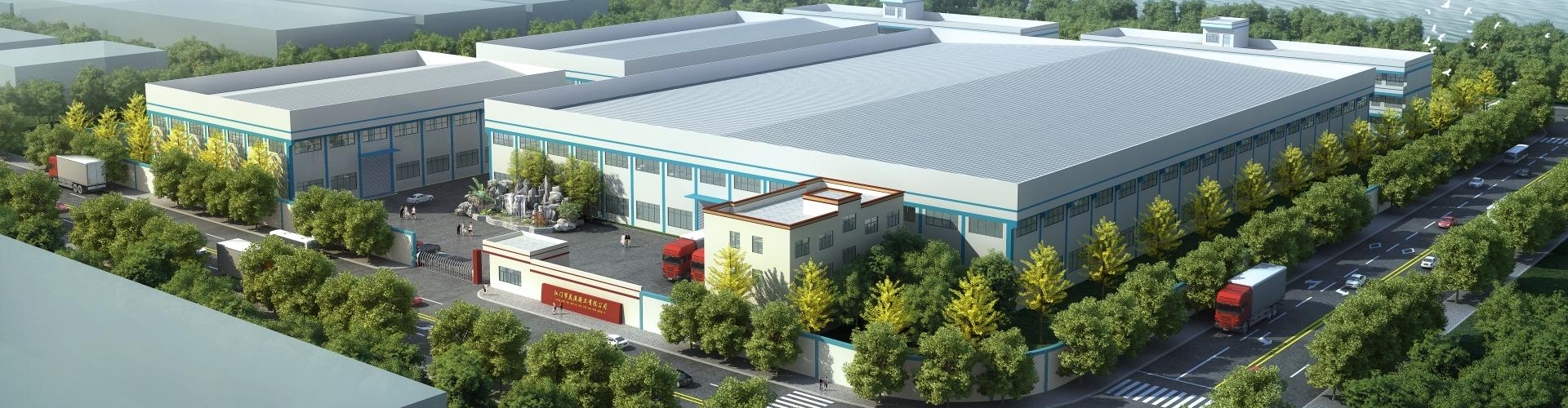
Custom furniture manufacturing requires more than production equipment and basic processing capability. A reliable solution depends on accumulated manufacturing experience, engineering knowledge, material understanding, and the ability to manage complex projects from design to final delivery.
For stainless steel home products, experienced manufacturers can provide more practical solutions because they understand how materials, structures, finishes, and production processes work together. This experience helps transform design concepts into products that are durable, functional, and suitable for different markets.
According to data from the United Nations Industrial Development Organization, manufacturing competitiveness is strongly influenced by technological capability, production experience, and continuous process improvement. These factors determine whether manufacturers can provide stable quality and customized solutions in global markets.
The difference between a manufacturer and a trader is the level of control over product development and production. Traders mainly coordinate existing products, while experienced manufacturers manage the entire process, including material selection, engineering development, production optimization, and quality inspection.
For stainless steel furniture, manufacturing experience helps solve practical challenges such as:
Selecting suitable stainless steel materials
Optimizing cabinet structures
Improving production efficiency
Reducing manufacturing risks
Creating better customized designs
An experienced stainless steel furniture manufacturer can identify potential issues before production begins, helping projects move from concept to finished products more smoothly.
Custom furniture projects often require adjustments in dimensions, colors, materials, functions, and installation methods. A mature OEM and ODM process allows manufacturers to provide flexible solutions instead of limited standard products.
A complete customization process usually includes:
| Development Stage | Manufacturer Responsibility |
|---|---|
| Design Review | Analyze drawings and product requirements |
| Engineering Development | Optimize structure and production methods |
| Prototype Production | Verify appearance and functionality |
| Sample Approval | Confirm details before mass production |
| Bulk Manufacturing | Maintain consistency and quality |
With years of experience, manufacturers can provide suggestions during product development, helping improve both design feasibility and production efficiency.
Material knowledge is essential for creating long-lasting custom furniture solutions. Different applications require different performance characteristics, especially in kitchens, bathrooms, balconies, and other humid environments.
For stainless steel furniture, SUS304 stainless steel is commonly selected because of its corrosion resistance and durability. According to the International Stainless Steel Forum, stainless steel achieves corrosion resistance through the chromium oxide passive layer formed when chromium content reaches at least 10.5%.
Experienced manufacturers understand how material choices influence:
Product lifespan
Surface appearance
Maintenance requirements
Manufacturing difficulty
Cost control
Proper material selection helps create stainless steel kitchen cabinets, bathroom cabinets, wardrobes, and storage solutions with better long-term performance.
Large furniture projects require more than production capacity. They require organized manufacturing management, accurate scheduling, and consistent quality control.
Experienced manufacturers usually have established manufacturing process overview systems covering:
Raw material inspection
Precision cutting and forming
Welding and structural reinforcement
Surface treatment
Assembly testing
Final inspection and packaging
This structured approach is especially important for bulk supply projects because every unit needs to maintain the same appearance and performance.
Years of production experience allow manufacturers to build stronger quality control checkpoints. Instead of solving problems after production, experienced factories prevent issues through continuous monitoring.
| Quality Control Area | Inspection Focus |
|---|---|
| Material Inspection | Confirm stainless steel grade and thickness |
| Production Inspection | Monitor processing accuracy |
| Surface Inspection | Check coating and finishing consistency |
| Assembly Inspection | Ensure product function and installation accuracy |
| Final Inspection | Verify shipment quality |
According to ISO 9001 quality management principles, effective quality systems focus on process control and continuous improvement. Experienced manufacturers apply these principles throughout production to maintain stable quality.
Custom furniture projects often involve different countries, design preferences, and installation standards. Manufacturers with international experience understand how to prepare products for export market compliance.
A professional project sourcing checklist should include:
Product specifications
Material standards used
Production timeline
Quality requirements
Packaging method
Export documentation
Manufacturers with global experience can better manage these details and reduce communication problems during international cooperation.
Experienced manufacturers create better custom furniture solutions because they combine technical knowledge, production capability, and practical problem-solving ability.
At Meiao, years of experience in stainless steel home product manufacturing support the development of customized kitchen cabinets, bathroom cabinets, wardrobes, balcony cabinets, and complete home solutions. Through professional OEM and ODM capabilities, strict quality management, and continuous manufacturing improvement, we help transform customer ideas into reliable products.
A strong manufacturing partner does not only produce furniture. It provides technical support, stable production, and solutions that create long-term value.