
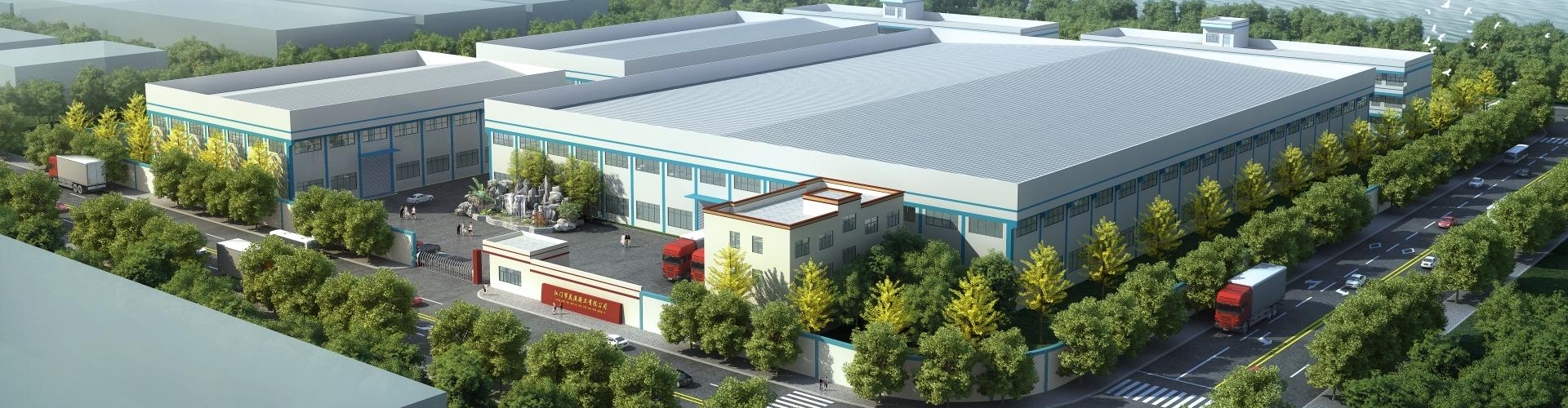
A stainless steel cabinet is not created through a single manufacturing step. Behind every finished cabinet is a complete production system involving material selection, engineering design, precision processing, surface treatment, assembly, and quality inspection. Understanding how a stainless steel cabinet factory operates helps evaluate manufacturing capability, production reliability, and long-term supply performance.
A professional stainless steel furniture manufacturer controls the entire production chain instead of only coordinating products. Unlike a trader who mainly connects suppliers and buyers, a manufacturer manages raw materials, production processes, quality standards, and customization requirements directly.
According to data from the United Nations Industrial Development Organization, manufacturing competitiveness depends heavily on production technology, process management, and innovation capability. These factors allow manufacturers to deliver stable quality while handling customized and large-scale orders.
The manufacturing process starts with selecting suitable materials. Stainless steel quality directly affects cabinet durability, corrosion resistance, appearance, and service life.
For stainless steel home products, SUS304 stainless steel is widely used because of its excellent corrosion resistance and stability in kitchen and humid environments. According to the International Stainless Steel Forum, stainless steel contains a minimum of 10.5% chromium, which forms a protective passive layer that helps resist corrosion.
A professional factory manages material standards used in production through strict inspection procedures:
| Material Inspection | Purpose |
|---|---|
| Stainless Steel Grade Testing | Confirm material performance |
| Thickness Measurement | Ensure structural strength |
| Surface Inspection | Prevent defects before processing |
| Material Tracking | Maintain production consistency |
Through controlled material selection, manufacturers can create stainless steel kitchen cabinets, bathroom cabinets, wardrobes, and customized home furniture with reliable performance.
After material preparation, the product enters the engineering development stage. This is where manufacturing experience becomes important.
A capable stainless steel cabinet manufacturer does not only produce according to drawings but also provides technical support to improve product feasibility. The OEM and ODM process allows manufacturers to develop customized solutions based on different designs, dimensions, functions, and market requirements.
The development process usually includes:
Product design evaluation
Structural optimization
Sample production
Function testing
Production approval
This approach helps reduce production problems and ensures customized products can be manufactured efficiently.
The manufacturing process overview of stainless steel cabinets includes multiple precision operations. Each stage requires skilled workers, advanced equipment, and strict process control.
The main production steps include:
Stainless steel cutting and forming
Panel bending and shaping
Welding and reinforcement
Surface polishing or coating treatment
Cabinet assembly
Final quality inspection
Modern production management focuses on improving accuracy and reducing waste. By optimizing manufacturing procedures, factories can maintain stable quality during both customized production and bulk supply orders.
Appearance is an important factor in modern home furniture. Stainless steel cabinets can achieve different styles through advanced surface treatments.
Common surface solutions include:
Brushed stainless steel finishes
Powder coating finishes
Wood grain effects
Decorative textures
Electroplated surfaces
Experienced manufacturers combine design requirements with production technology to create products that match different interior styles while maintaining durability.
A professional factory does not wait until the final stage to check products. Quality control checkpoints are integrated throughout the entire manufacturing process.
| Quality Control Stage | Inspection Focus |
|---|---|
| Incoming Material Check | Verify stainless steel quality |
| Processing Inspection | Check cutting and forming accuracy |
| Welding Inspection | Ensure structural strength |
| Surface Inspection | Confirm appearance consistency |
| Assembly Testing | Verify cabinet function |
| Final Inspection | Prepare products for shipment |
According to ISO 9001 quality management principles, continuous process control is essential for maintaining stable product quality. This system is especially important when handling large volume cabinet orders.
Large projects require more than production capacity. Manufacturers need organized planning, accurate scheduling, and efficient quality management.
A practical project sourcing checklist includes:
Product specifications confirmation
Material requirements
Sample approval
Production timeline
Packaging standards
Export documentation
A factory with complete production management can better support large residential projects, customized home solutions, and international orders.
For international markets, stainless steel cabinet manufacturers need to consider export market compliance during design and production.
Important factors include:
Product specifications
Packaging protection
Documentation preparation
Quality consistency
Shipping requirements
Manufacturers with export experience understand different market expectations and can provide smoother production and delivery processes.
A stainless steel cabinet factory represents a combination of engineering ability, manufacturing experience, and quality management. From selecting stainless steel materials to completing final inspection, every production stage influences the final product performance.
At Meiao, we focus on integrating product development, precision manufacturing, quality control, and customized services to provide complete stainless steel home solutions. With professional OEM and ODM capabilities, advanced production management, and strict inspection systems, we support the development of reliable stainless steel furniture for global markets.
A finished cabinet reflects much more than appearance. It represents the manufacturing system, technical expertise, and quality standards behind every production stage.